Introduction
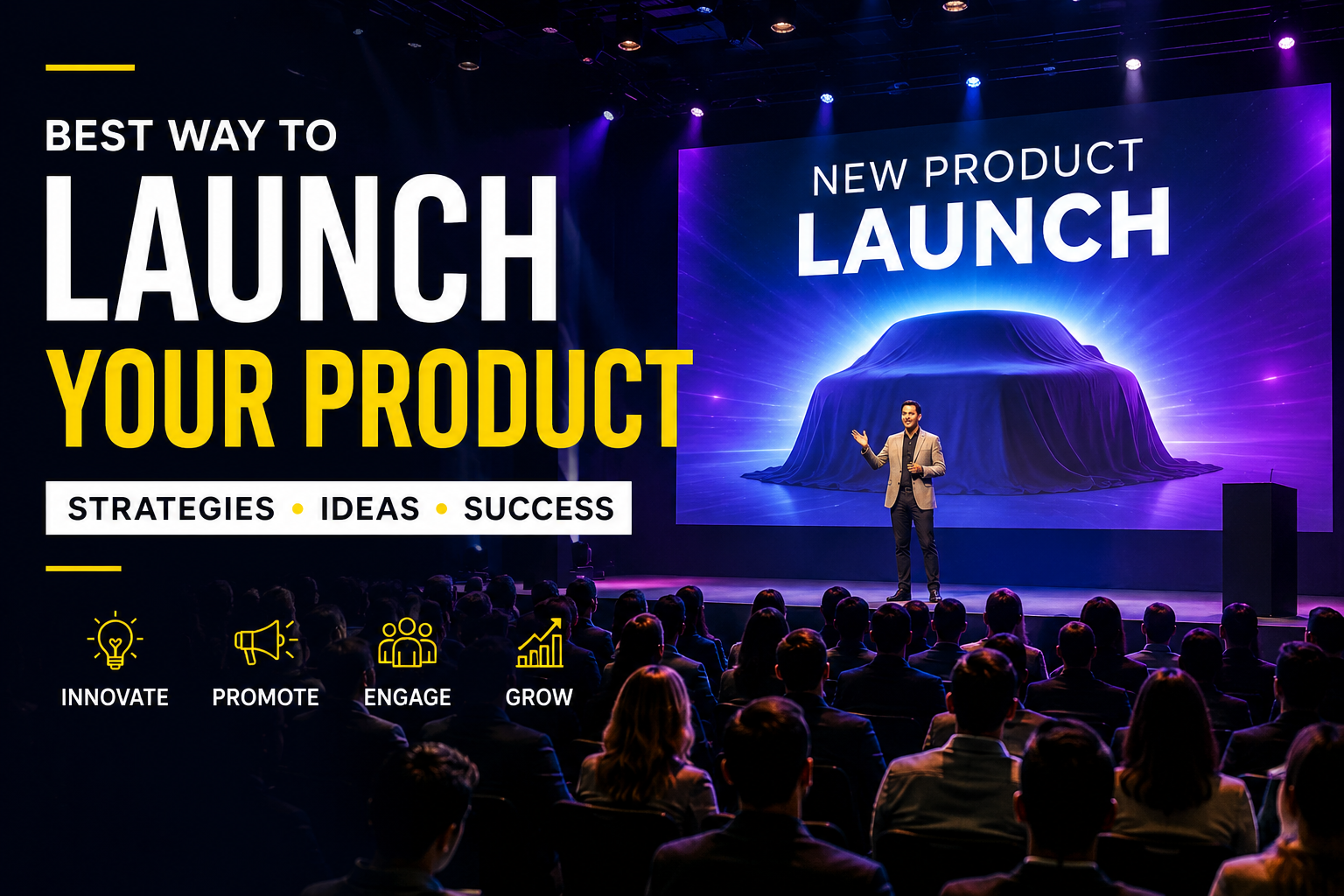
Launching a new product is one of the most exciting moments for any business. Whether you are introducing a new service, technology, fashion line, or consumer product, the way you present it to the market can determine its success. A well-planned product launch event creates excitement, builds brand awareness, attracts media attention, and generates early sales.
Many businesses invest significant resources into product development but fail to create enough buzz during the launch phase. This is where a strategic product launch event becomes essential. A successful launch event not only showcases your product but also creates memorable experiences that encourage customers to engage with your brand.
In this guide, you’ll learn the best way to launch your product, from planning and promotion to execution and post-event marketing.
Why a Product Launch Event Matters
A product launch event serves as the official introduction of your product to the market. It creates anticipation and allows potential customers to see the value of your offering firsthand.
Benefits of hosting a product launch event include:
- Increased brand awareness
- Stronger customer engagement
- Media and influencer exposure
- Higher product credibility
- Better lead generation
- Immediate sales opportunities
- Enhanced customer trust
When executed properly, a product launch event can significantly boost your product’s market entry and help establish a competitive advantage.
Define Clear Launch Goals
Before planning your product launch event, determine what success looks like.
Common launch objectives include:
Brand Awareness
Introduce your brand and product to a larger audience.
Lead Generation
Collect potential customer information for future marketing campaigns.
Direct Sales
Drive immediate purchases during or after the event.
Media Coverage
Attract journalists, bloggers, and industry publications.
Investor Interest
Showcase innovation and business growth opportunities.
Having clear goals helps shape every aspect of your product launch event, from venue selection to marketing strategy.
Understand Your Target Audience
One of the most important elements of a successful product launch event is knowing who you are targeting.
Ask yourself:
- Who will benefit most from the product?
- What challenges does the product solve?
- What platforms does the audience use?
- What type of event would appeal to them?
A technology audience may prefer interactive demonstrations, while lifestyle consumers may enjoy experiential activations and social media-friendly environments.
Understanding your audience helps create a product launch event that resonates with attendees and encourages engagement.
Create a Powerful Product Launch Strategy
A launch strategy should begin several weeks or even months before the event.
Key components include:
Market Research
Study competitors and industry trends to identify opportunities.
Positioning
Clearly communicate what makes your product unique.
Messaging
Develop a compelling story around your product.
Promotional Timeline
Plan content, announcements, email campaigns, and advertisements leading up to the event.
A comprehensive strategy ensures your product launch event gains maximum attention before, during, and after launch day.
Choose the Right Event Format
Selecting the right format is critical for the success of your product launch event.
In-Person Launch Event
Ideal for creating memorable experiences and personal interactions.
Virtual Launch Event
Perfect for reaching global audiences at lower costs.
Hybrid Launch Event
Combines physical and virtual experiences to maximize participation.
Pop-Up Experience
Allows customers to interact with the product in a unique setting.
Exclusive VIP Launch
Creates exclusivity and generates premium brand perception.
Choose a format that aligns with your audience, budget, and business objectives.
Select the Perfect Venue
The venue plays a significant role in shaping the overall experience.
Consider factors such as:
- Accessibility
- Parking availability
- Capacity
- Technical requirements
- Branding opportunities
- Ambience
The venue should complement your brand image and support the goals of your product launch event.
Build Excitement Before the Event
Pre-launch marketing is often what determines attendance and engagement levels.
Create Teaser Campaigns
Generate curiosity through social media posts, countdowns, and sneak peeks.
Email Marketing
Send invitations and product updates to your subscriber list.
Influencer Partnerships
Collaborate with industry influencers to expand reach.
Press Releases
Notify media outlets about your upcoming product launch event.
Landing Pages
Create dedicated registration pages with event details and benefits.
These tactics help build anticipation and ensure strong attendance.
Deliver an Engaging Product Presentation
The product presentation is the highlight of your product launch event.
Focus on:
Problem-Solution Approach
Explain the challenge your audience faces and how your product solves it.
Live Demonstrations
Show the product in action.
Storytelling
Share the inspiration behind the product’s development.
Customer Benefits
Highlight outcomes rather than features alone.
Visual Content
Use videos, animations, and graphics to keep audiences engaged.
An engaging presentation helps attendees understand and remember your product.
Incorporate Interactive Experiences
Modern consumers prefer experiences over traditional presentations.
Interactive ideas include:
- Hands-on product testing
- Live demonstrations
- Q&A sessions
- Augmented reality experiences
- Product customization stations
- Audience participation activities
Interactive elements make your product launch event more memorable and increase customer involvement.
Leverage Social Media Marketing
Social media can significantly amplify your launch efforts.
Create a Branded Hashtag
Encourage attendees to share content online.
Live Stream the Event
Reach audiences who cannot attend in person.
Behind-the-Scenes Content
Show preparation and exclusive moments.
User-Generated Content
Feature attendee photos and videos.
Influencer Coverage
Invite influencers to share their experiences.
A social media strategy extends the impact of your product launch event far beyond the venue.
Engage Media and Industry Professionals
Media coverage can dramatically increase exposure.
Invite:
- Journalists
- Bloggers
- Industry experts
- Influencers
- Content creators
Prepare professional media kits that include:
- Product information
- High-resolution images
- Company background
- Founder profiles
- Contact details
Strong media relationships can help your product launch event gain valuable publicity.
Offer Exclusive Launch-Day Incentives
Encourage immediate action by providing special offers.
Examples include:
- Early-bird discounts
- Limited-edition products
- VIP access
- Complimentary gifts
- Exclusive bundles
These incentives increase conversions and make your product launch event more attractive to attendees.
Collect Valuable Feedback
Feedback provides insights that can improve future campaigns.
Methods include:
- Surveys
- QR-code feedback forms
- Live polls
- Interviews
- Social media monitoring
Customer feedback gathered during a product launch event can help refine your product and marketing strategy.
Follow Up After the Event
The work doesn’t end when the event is over.
Post-event activities should include:
Thank-You Emails
Show appreciation to attendees.
Event Highlights
Share photos, videos, and key moments.
Lead Nurturing
Continue engaging potential customers.
Sales Campaigns
Promote launch offers and product availability.
Performance Analysis
Evaluate goals, attendance, engagement, and revenue.
Effective follow-up ensures your product launch event delivers long-term value.
Common Product Launch Mistakes to Avoid
Avoid these frequent errors:
- Poor planning
- Weak marketing efforts
- Unclear messaging
- Lack of audience engagement
- Ignoring feedback
- Technical failures
- Inadequate follow-up
Addressing these issues can dramatically improve launch outcomes.
Measuring Product Launch Success
Track key metrics such as:
- Attendance numbers
- Social media engagement
- Website traffic
- Lead generation
- Product sales
- Media mentions
- Customer feedback
Analyzing these indicators helps determine the effectiveness of your product launch event and identifies opportunities for improvement.
Conclusion
The best way to launch your product is through a carefully planned and professionally executed product launch event. By understanding your audience, creating excitement before launch, delivering engaging experiences, leveraging social media, and maintaining strong follow-up communication, you can maximize visibility and drive meaningful business results.
A successful product launch event is more than a celebration—it is a strategic marketing opportunity that can shape customer perception, generate sales, and position your brand for long-term success. Invest time in planning every detail, and your launch can become the foundation for sustainable growth and market recognition.
Leave a Reply